
UIndy School of Occupational Therapy Faculty Present at the 19th World Federation of Occupational Therapists Congress
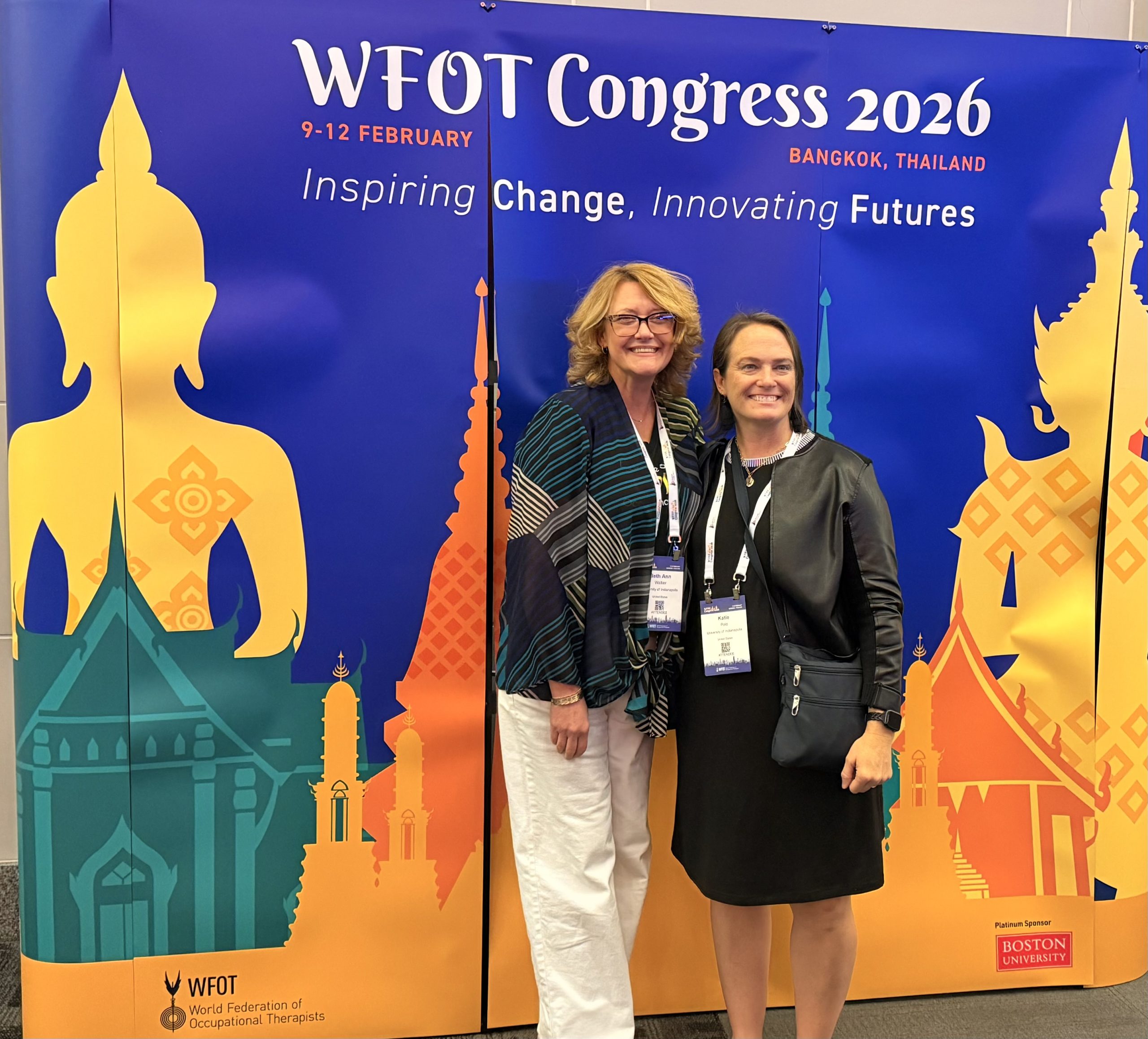
Every four years, occupational therapy professionals from around the world gather to share ideas, challenge assumptions, and shape the future of their field.
At the 19th World Federation of Occupational Therapists (WFOT) Congress in Bangkok, Thailand, two University of Indianapolis School of Occupational Therapy faculty members were among those helping lead the conversation.
Selected from thousands of submissions worldwide, Dr. Beth Ann Walker and Dr. Katie Polo were invited to present multiple sessions highlighting their current work and the screening tools they developed during their time at UIndy.
At the Congress, Dr. Walker presented on the Occupational Performance Inventory of Sexuality and Intimacy (OPISI) an assessment tool she developed to comprehensively screen, assess, and measure performance related to the complex occupational nature of sexuality and intimacy.
Since its launch in 2020, the OPISI has been translated from English into four languages –German, French, Spanish, and Italian. Two of Dr. Walker’s presentations addressed the translation process, which takes approximately two years. The Congress provided a meaningful opportunity to meet several of those who led translation efforts from other countries in person for the first time.
“My favorite thing with the conference itself was connecting with people that I had only had Zoom calls with,” explained Dr. Walker. “I’d been working with my research partners for three years, translating the OPISI into German, and getting to meet them in person for the first time was amazing.”
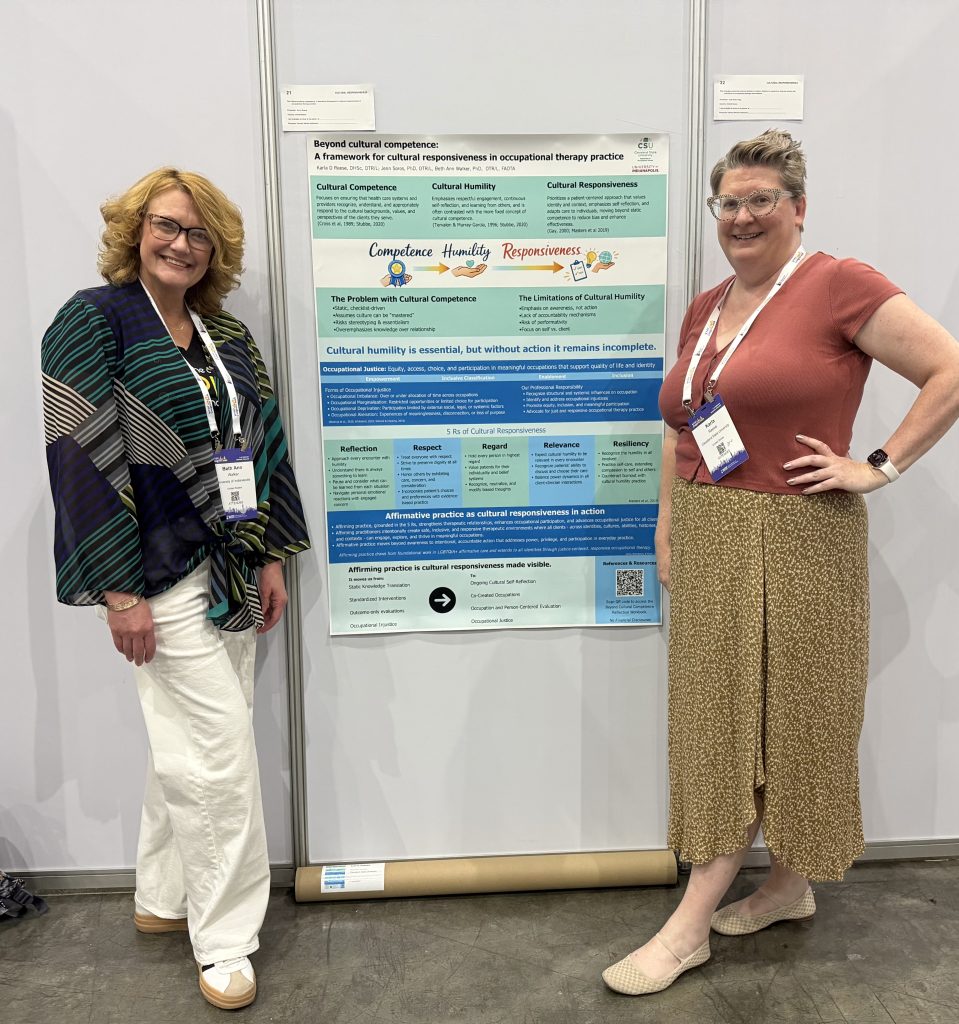
Dr. Walker also co-presented with Dr. Jenn Soros of Cleveland State University, sharing findings from an international expert consensus study examining what occupational therapy educators worldwide need to build global competency in sexual health and wellbeing. Two of Dr. Walker’s poster presentations were accepted among the top 100 presentations at the Congress. One with Dr. Soros and Dr. Karla Reese from Cleveland State University on cultural responsiveness in OT, and the second about the paradigm shift in the profession related to her work.
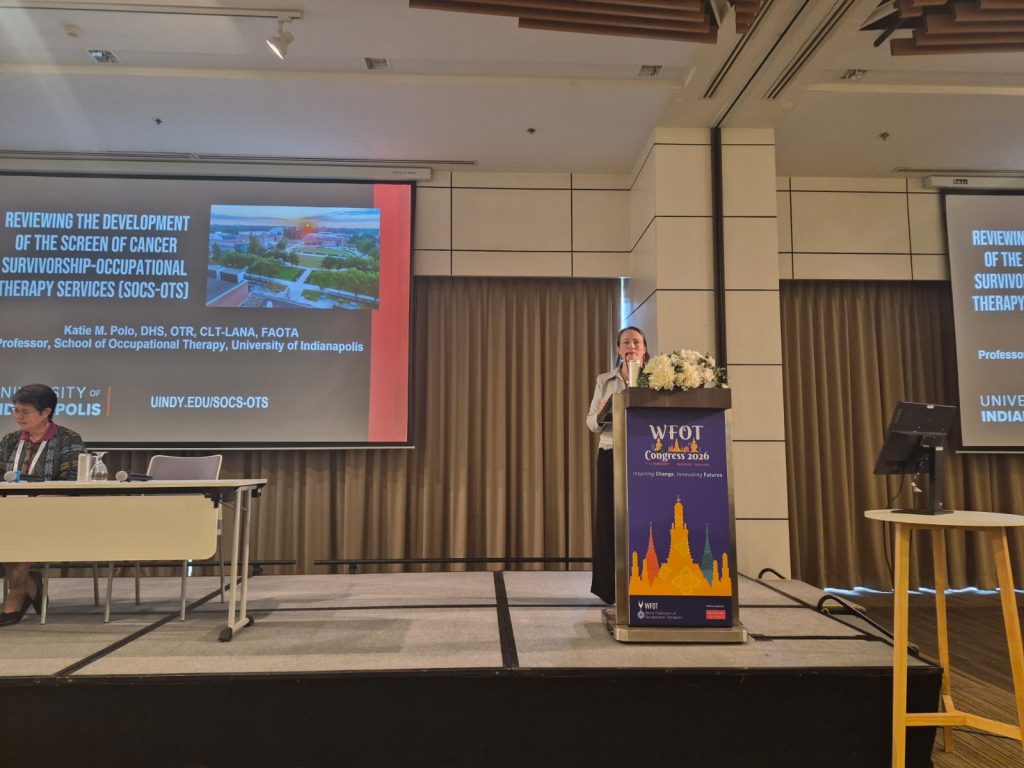
Dr. Polo’s platform presentation focused on her screening tool, the Screen of Cancer Survivorship-Occupational Therapy Services (SOCS-OTS). The SOCS-OTS is a patient-driven screening tool to help referral sources identify whether a patient would benefit from OT services. Dr. Polo is currently collaborating with Dr. Khawla Loubani of Ben-Gurion University of the Negev to translate the SOCS-OTS into Arabic and Hebrew, expanding its accessibility to new populations.
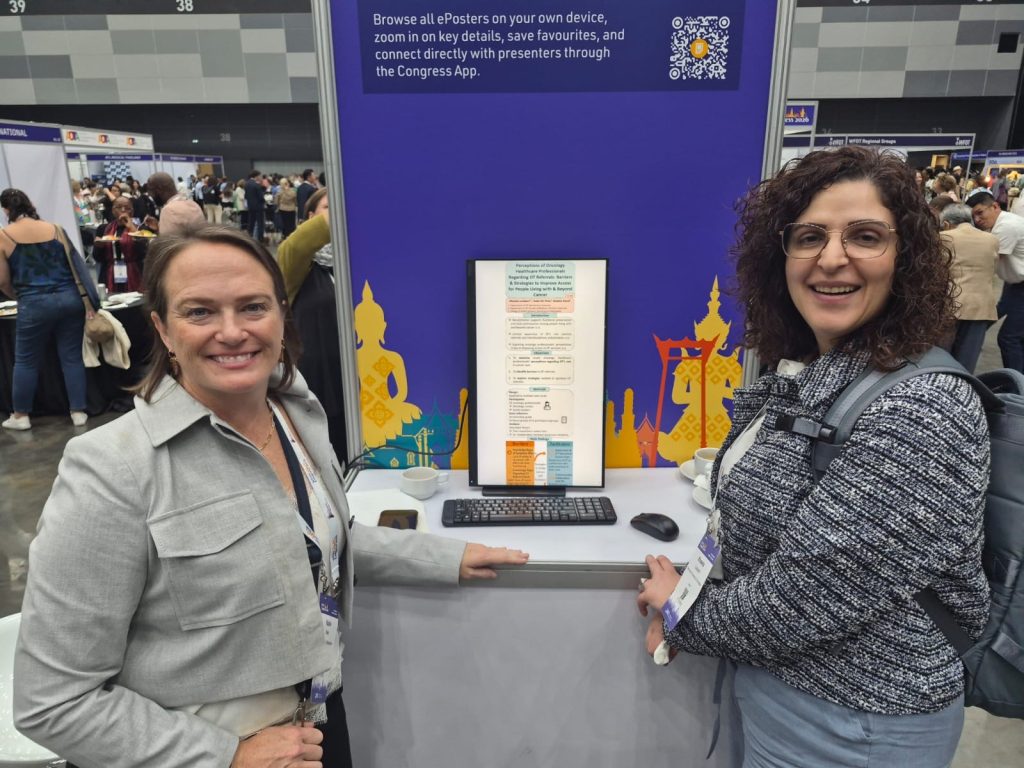
In addition to her platform presentation, Dr. Polo presented two posters. One highlighted a scoping review conducted with Loubani examining barriers and supports to rehabilitation referral for individuals diagnosed with cancer. The second featured a bi-national study comparing occupational therapy referral practices in the United States and Israel.
Beyond presenting their work, the Congress offered opportunities to connect with practitioners and researchers from around the world and build new professional collaborations.
“For WFOT, in general, it’s important for us to network with other OTs,” said Dr. Walker. “It’s important for us to learn about how OT is being practiced in various areas of the world. It helps get our names out there as OT experts.”
“As researchers, we hope that the research we present at these conferences is disseminated and then translated into practice,” shared Dr. Polo. “We have practitioners from around the world who are seeing our research, and we’re having these discussions on how to use this in practice. It’s about networking and forging those relationships, not just researcher to researcher, but researcher to clinician.”
In the true spirit of “education for service,” both the OPISI and the SOCS-OTS are available in open-access format at no cost through the UIndy website, helping practitioners access valuable resources without financial barriers.
“The support of the University has been exceptional,” said Dr. Walker. “If you put a barrier, like a price tag, on screening tools, practitioners would be less likely to use them. Having screening tools that are available and accessible at no cost is everything.”
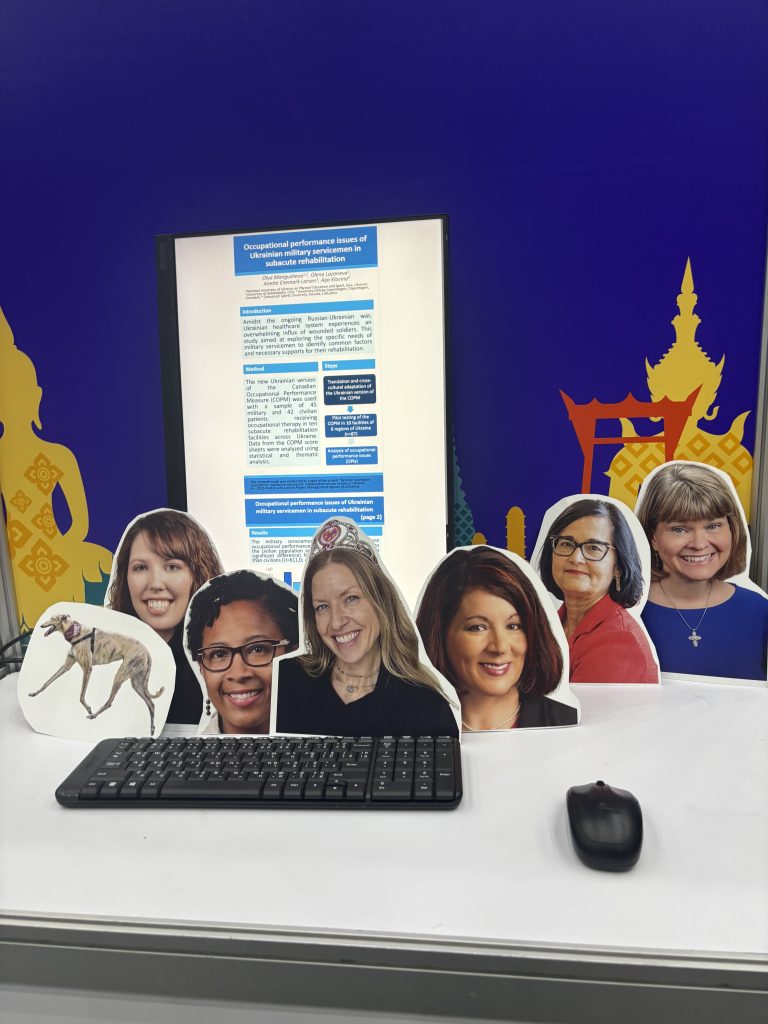
Attending the Congress also provided Dr. Walker and Dr. Polo with the opportunity to experience Thai culture firsthand, deepening their perspectives as both educators and practitioners.
“The lived experience of being a minority in Thailand, the discomfort of not knowing the language, really opened my eyes,” said Dr. Walker. “The international aspect of those experiences enriches my ability to talk about what it feels like to be an outsider and to educate others about those perspectives.”
“My favorite part was experiencing a new culture, for sure,” reflected Dr. Polo. “When you reflect on those experiences as a practitioner, you get these cultural considerations. You need to understand your clients through the lens of their culture to best care for them. It’s wonderful to be able to go to a conference in another country, and, in the future, if I see a client who is Thai, I’ll have a little bit of a connection and more understanding.”
By sharing their work on an international stage and bringing new global perspectives back to their classrooms, Dr. Walker and Dr. Polo continue to expand the reach and impact of UIndy’s occupational therapy program far beyond campus.