
Small Acts, Lasting Impact: DPT Students Discover the Power of Service
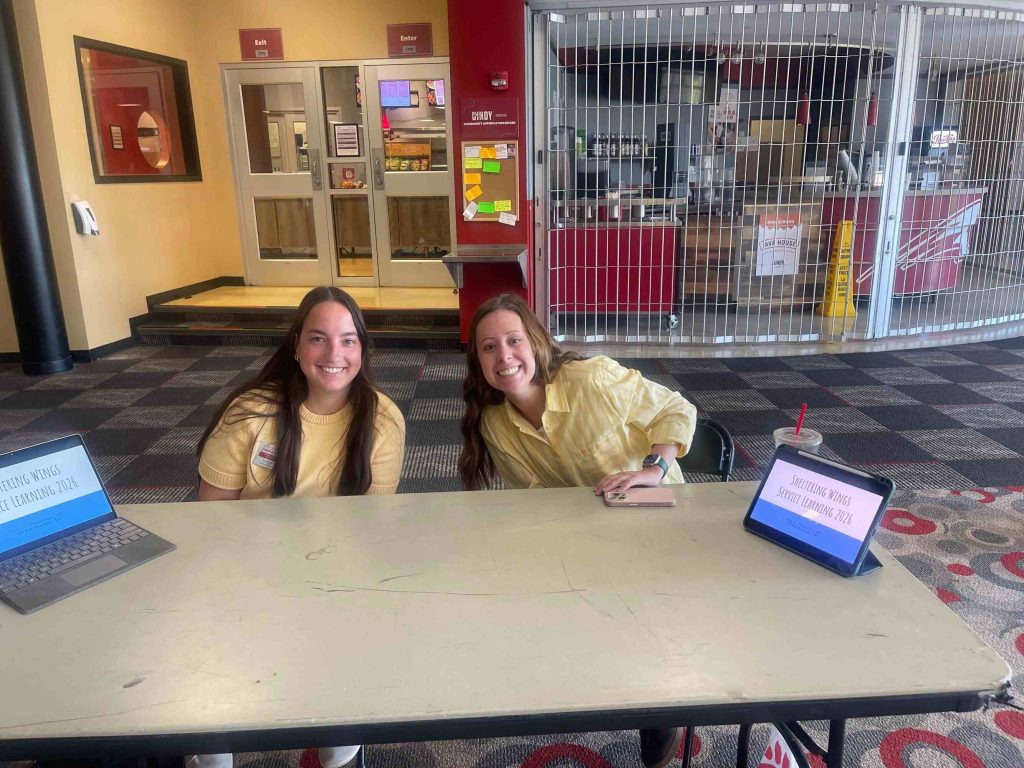
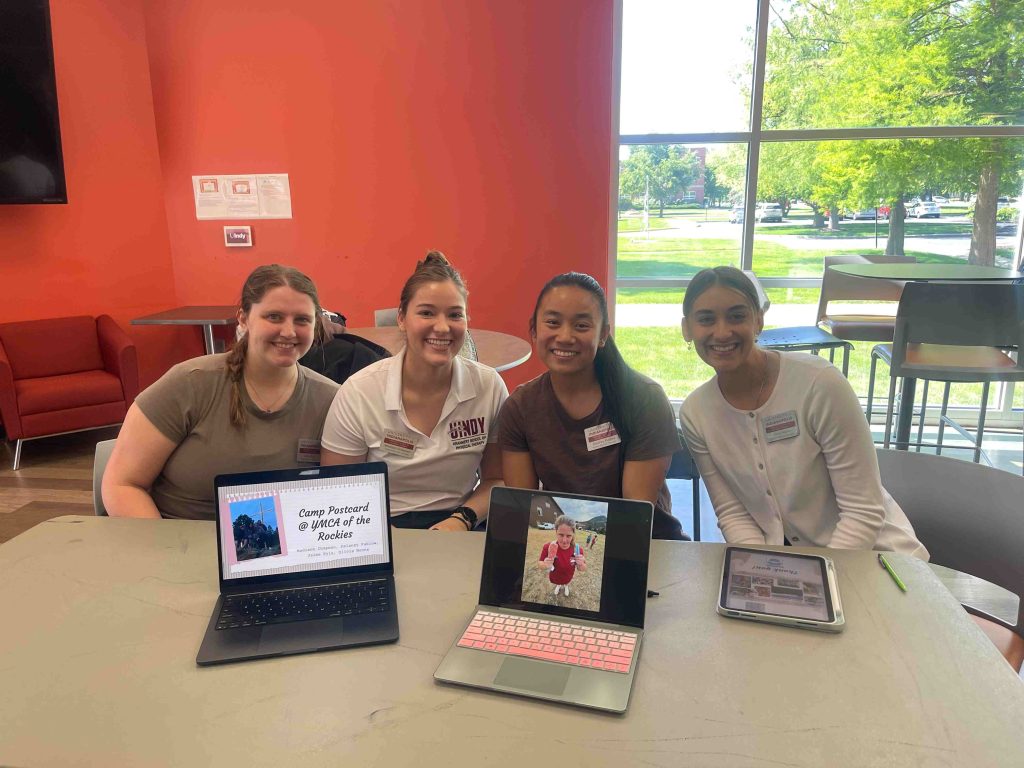
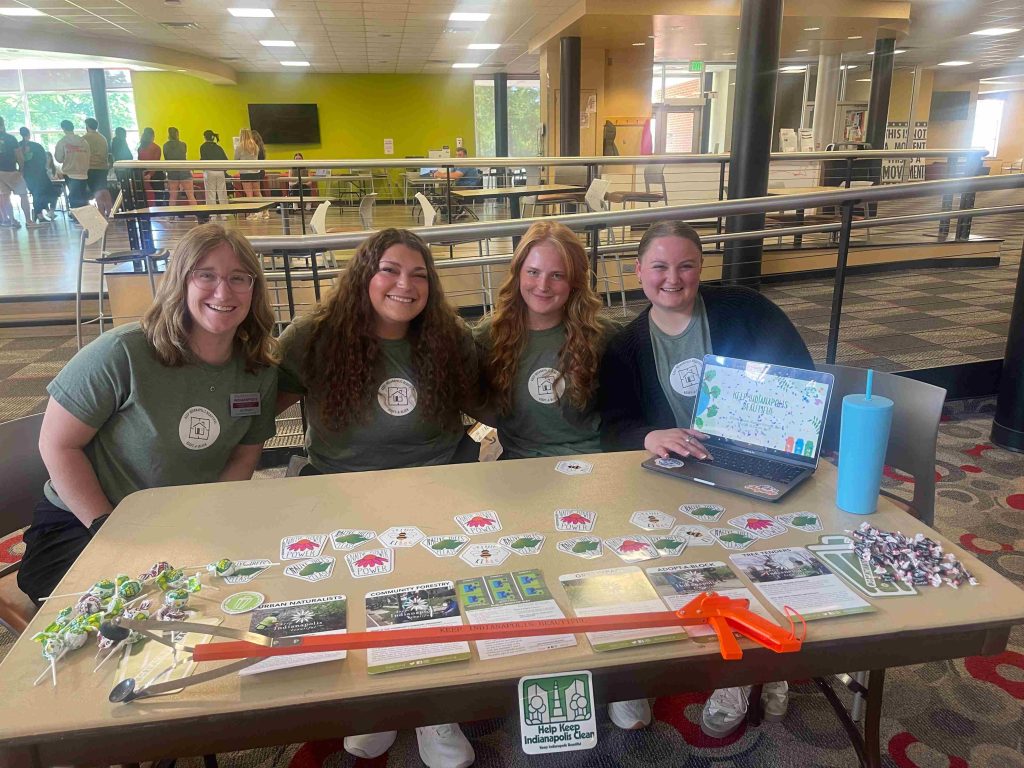
Inside the Schwitzer Student Center, conversations about gardening, food insecurity, and disability advocacy transformed the Service Learning Fair from a class requirement into a glimpse of what it means to serve as a healthcare professional.
Through posters, brochures, and slideshows, second-year Doctor of Physical Therapy students shared lessons from the 30 hours of volunteer service they completed with local organizations over the past year.
“There was a broad spectrum of organizations that people volunteered with,” said Emily Hadley ’25 ’28 (Exercise Science, Physical Therapy), who is in her first year of the program. “It was interesting to hear everyone’s experiences and what they could offer to the community.”
The fair gives students like Hadley an early introduction to service learning and its connection to their future roles as physical therapists.
“Service learning is much more than volunteerism,” said Dr. Julie Gahimer, professor with the Krannert School of Physical Therapy. “It is an opportunity to work collaboratively with communities, address social determinants of health, and expand one’s understanding of professionalism, advocacy, cultural humility, and social responsibility.”
For first-year students, the fair was also a sneak preview of the year ahead, as they will soon complete the same project. Moving from table to table, they asked meaningful questions, explored organizations, and began imagining the ways they might engage with the community.
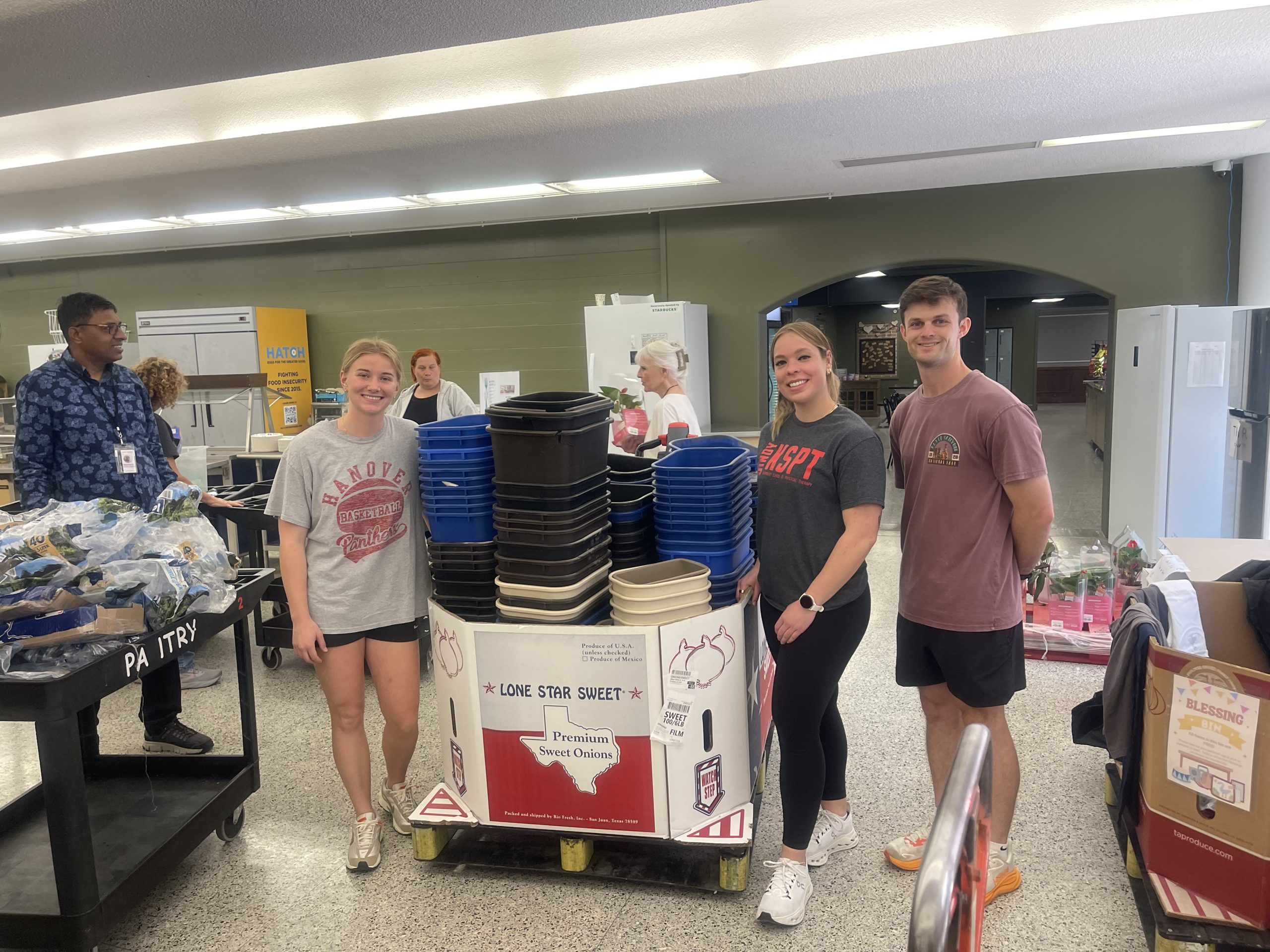
The conversations quickly turned into action. Immediately following the fair, more than 50 first-year students traveled in small groups to community organizations for an ‘Afternoon of Service.’ Some dug into gardening projects at Bethany Community Gardens and Hanna Commons, while others organized and stocked shelves at Hope Center Indy, Harvest Food Pantry, and St. Vincent de Paul.
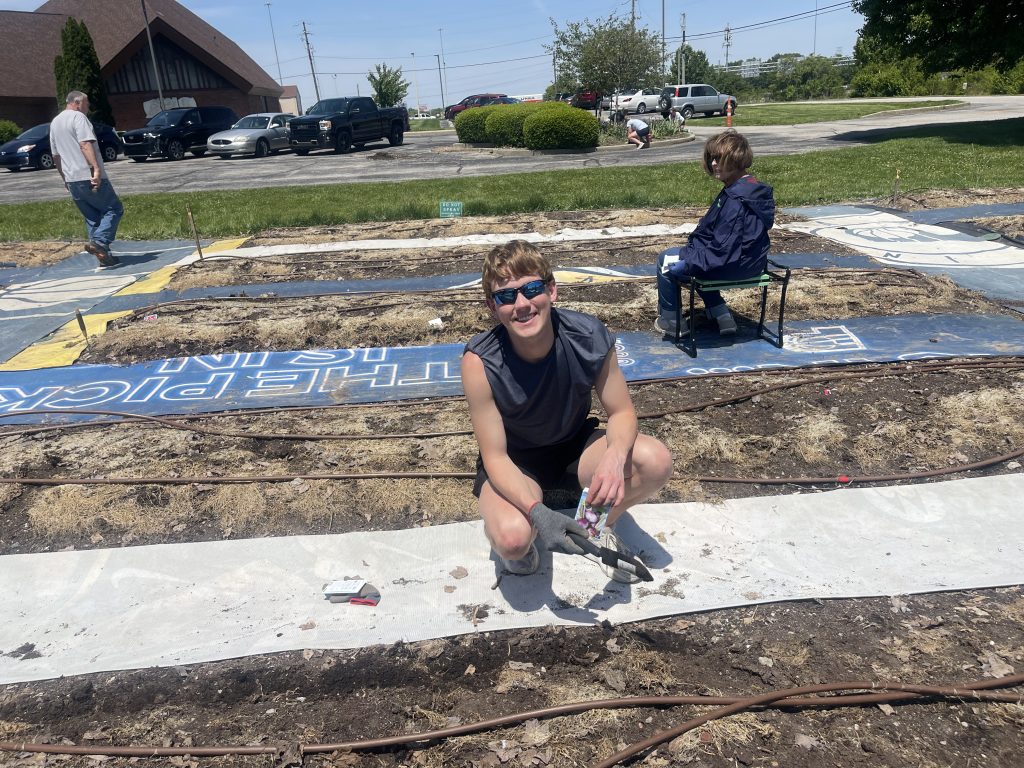
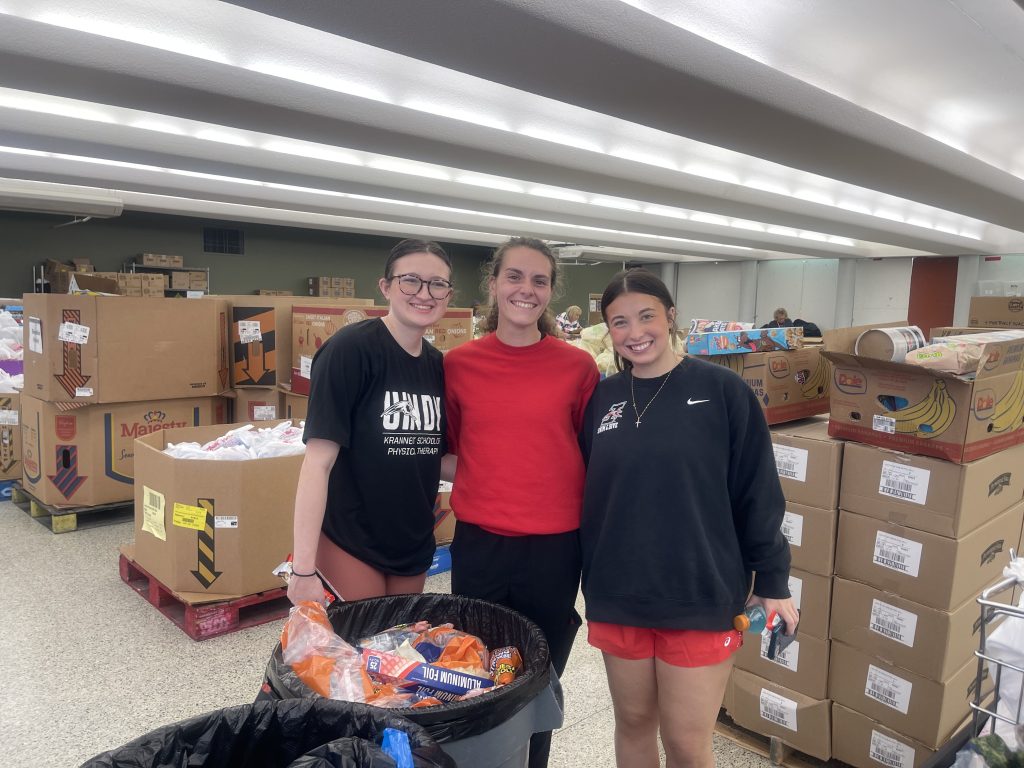
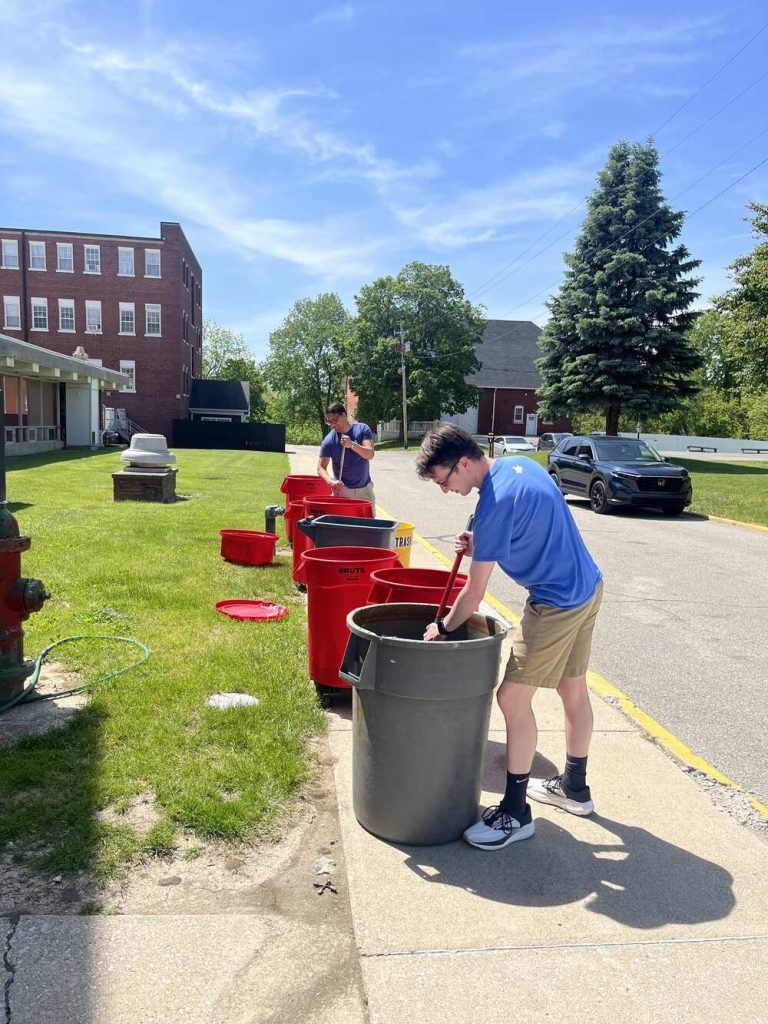
While a three-hour time commitment may seem brief, the experience left a lasting impact. “Our students learn that small acts of service can create meaningful change—not only within the community, but within themselves as future healthcare professionals,” added Gahimer.
The Hope Center Indy staff even described the UIndy students as “one of the best groups they had ever hosted,” praising their teamwork, professionalism, and positive attitude. Hadley was among the students who cleaned bathrooms and mopped floors of the Redefined Hope Boutique & Coffee Shop.
“It revealed how much I can do to help someone else,” said Hadley. “The Hope Center said the work we did in three hours would have taken a month for them to complete. I thought it was impactful that we got that done in such a short span of time.”
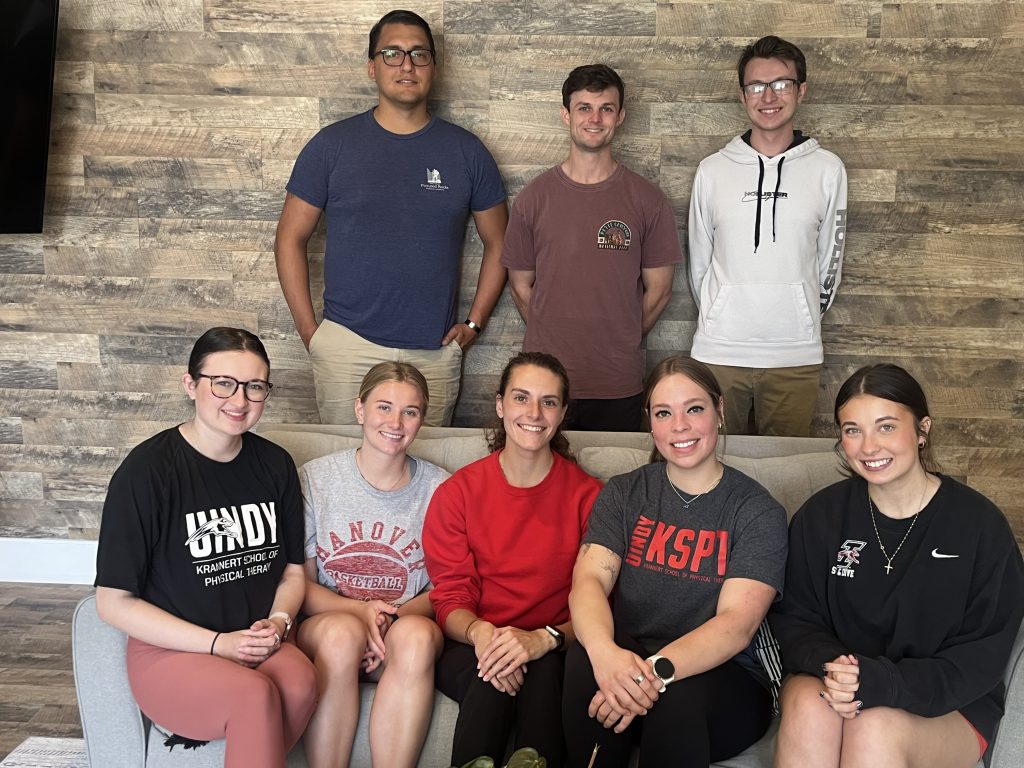
Front row: Piper Prince, Jaeda Miller, Cloey Simon, Emily Hadley, and Payton Bozard
As the afternoon wrapped up, Hadley and her peers had already begun developing their service-learning projects for the coming year. They were encouraged to pursue projects that interested them while also stepping outside their comfort zones by engaging with diverse ages, cultures, and communities.
By working with people from different backgrounds, students are beginning to see how the role of a physical therapist extends beyond the clinic walls. Hadley and a classmate chose to volunteer with Carmel Clay Parks & Recreation, where adaptive programs and camps for individuals with disabilities will offer a closer look at accessibility and care in everyday life.